
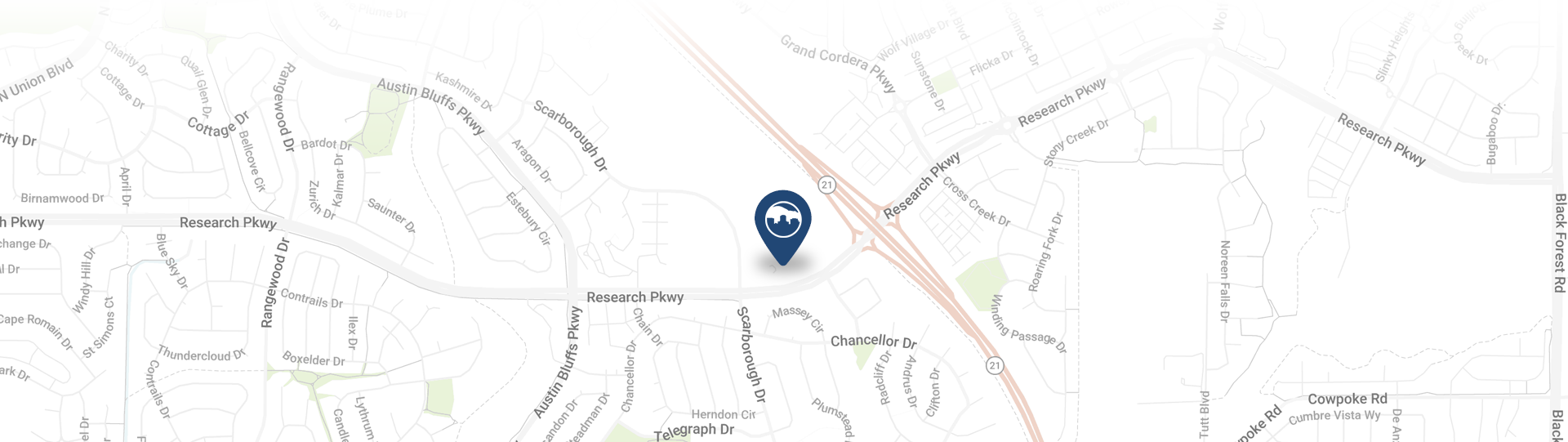

8540 Scarborough Dr, Ste 240
Colorado Springs, CO 80920

FAQ: Dry Eye Treatment in Colorado Springs, CO
At RidgeView Optometry in Colorado Springs, CO, we provide personalized dry eye treatment to help relieve irritation, improve tear film stability, and support long-term eye health. Our approach focuses on identifying the underlying causes of dryness and developing effective management plans. Below are frequently asked questions on dry eye treatment, symptoms, causes, and available care options.
What causes dry eye syndrome?
Dry eye syndrome develops when the eyes do not produce enough tears or when tears evaporate too quickly. Common causes include aging, hormonal changes, certain medications, inflammation, and meibomian gland dysfunction (MGD). Colorado Springs' dry climate can also contribute to tear film instability. We evaluate these factors to identify the underlying cause and recommend appropriate care.
What are the common symptoms of dry eye disease?
Common symptoms include burning, stinging, redness, gritty sensations, excessive tearing, light sensitivity, and fluctuating vision. Some patients also experience discomfort while reading or using digital devices. At RidgeView Optometry in Colorado Springs, we assess these symptoms and examine the ocular surface to determine whether dry eye disease is responsible.
Can Colorado Springs' dry climate make dry eyes worse?
Yes. Colorado Springs' low humidity, wind, and seasonal weather changes can increase tear evaporation and worsen existing dryness. Indoor heating and air conditioning may further contribute to discomfort. We help patients manage these environmental triggers while addressing underlying tear film problems that require treatment.
Why are my eyes watering if I have dry eye?
Excessive tearing can actually indicate dry eye disease. When the ocular surface becomes irritated, the eyes may produce reflex tears that lack the composition needed for lasting lubrication. Our Colorado Springs eye doctor can determine whether watery eyes are related to dryness, allergies, or another condition and recommend appropriate treatment.
How is dry eye disease diagnosed in Colorado Springs?
At RidgeView Optometry, we begin by reviewing your symptoms, medical history, medications, and environmental factors. We examine the tear film, eyelids, and ocular surface to identify abnormalities that contribute to dryness. Our patients receive individualized recommendations based on their examination findings and specific eye health needs.
What is meibomian gland dysfunction, and can it cause dry eye?
Meibomian gland dysfunction occurs when the oil-producing glands along the eyelids become blocked or fail to release sufficient oil. This allows tears to evaporate more quickly, contributing to evaporative dry eye. We evaluate eyelid gland health and recommend treatments that support more stable tear production and distribution.
Can blepharitis contribute to chronic dry eye?
Yes. Blepharitis causes inflammation along the eyelid margins and can interfere with normal oil gland function, contributing to tear film instability. Symptoms may include redness, irritation, crusting, and dryness. Our eye care team can recommend appropriate eyelid hygiene and additional treatments to address inflammation and improve comfort.
What dry eye treatment options are available in Colorado Springs?
Dry eye treatment depends on the condition's underlying causes and severity. Management options may include lubricating eye drops, warm compresses, eyelid hygiene, prescription medications, and appropriate in-office treatments. At RidgeView Optometry in Colorado Springs, we develop personalized care plans to address contributing factors rather than focusing solely on temporary symptom relief.
Can artificial tears effectively manage dry eyes?
Artificial tears can provide effective relief for mild dryness by supplementing the natural tear film. However, they may not adequately address inflammation, oil gland dysfunction, or other underlying problems. We help our patients choose appropriate lubricating products and determine when additional dry eye management is necessary.
Does prolonged screen time worsen dry eye symptoms?
Yes. Extended computer and smartphone use can reduce blinking frequency and increase tear evaporation, contributing to dryness and irritation. We recommend regular visual breaks, conscious blinking, and appropriate workspace adjustments. For patients experiencing persistent screen-related discomfort, an eye examination can help identify contributing conditions and guide treatment.
Can wearing contact lenses contribute to dry eye discomfort?
Contact lenses can contribute to dryness, irritation, and fluctuating vision, particularly when the tear film is already unstable. Environmental conditions in Colorado Springs may intensify these symptoms. We evaluate contact lens comfort, fit, and ocular surface health to determine whether changes in lens materials, wearing habits, or dry eye management would improve comfort.
How can I tell whether I have eye allergies or dry eye?
Eye allergies and dry eye disease can produce similar symptoms, including redness, irritation, and excessive tearing. However, itching is particularly common with allergies, while burning and fluctuating vision frequently occur with dry eye. Our Colorado Springs optometrist can distinguish between these conditions and recommend targeted treatment, especially when both are present.
Can dry eye disease cause blurry vision?
Yes. An unstable tear film can interfere with the smooth optical surface needed for clear vision, resulting in intermittent blurriness. Symptoms may temporarily improve after blinking but return during prolonged visual tasks. We evaluate whether dry eye or another eye condition is contributing to changes in vision. Sudden vision loss requires immediate medical evaluation.
How long does it take to see improvement with dry eye treatment?
Improvement depends on the underlying cause, severity, and recommended treatment. Some patients experience relief shortly after using lubricating drops, while others require several weeks of consistent management to notice meaningful changes. We establish realistic expectations for our patients and recommend follow-up evaluations to assess progress and adjust treatment when necessary.
Why choose RidgeView Optometry for dry eye treatment in Colorado Springs?
At RidgeView Optometry, we prioritize personalized care, thorough eye health evaluations, and clear communication. Our team takes the time to understand your symptoms, identify contributing factors, and recommend practical solutions for managing chronic dryness. We are committed to helping patients achieve greater eye comfort, healthier tear film function, and improved visual quality.
If you are experiencing persistent dryness, irritation, or fluctuating vision, contact RidgeView Optometry in Colorado Springs, CO, at (719) 495-5904 to schedule an appointment. Our team is ready to help you explore effective dry eye treatment options and improve your everyday comfort.

All Eye
Care Services

Keep
In Touch
© 2026 RidgeView Optometry. All rights Reserved - Accessibility Statement - Privacy Policy - Sitemap
Powered by
